
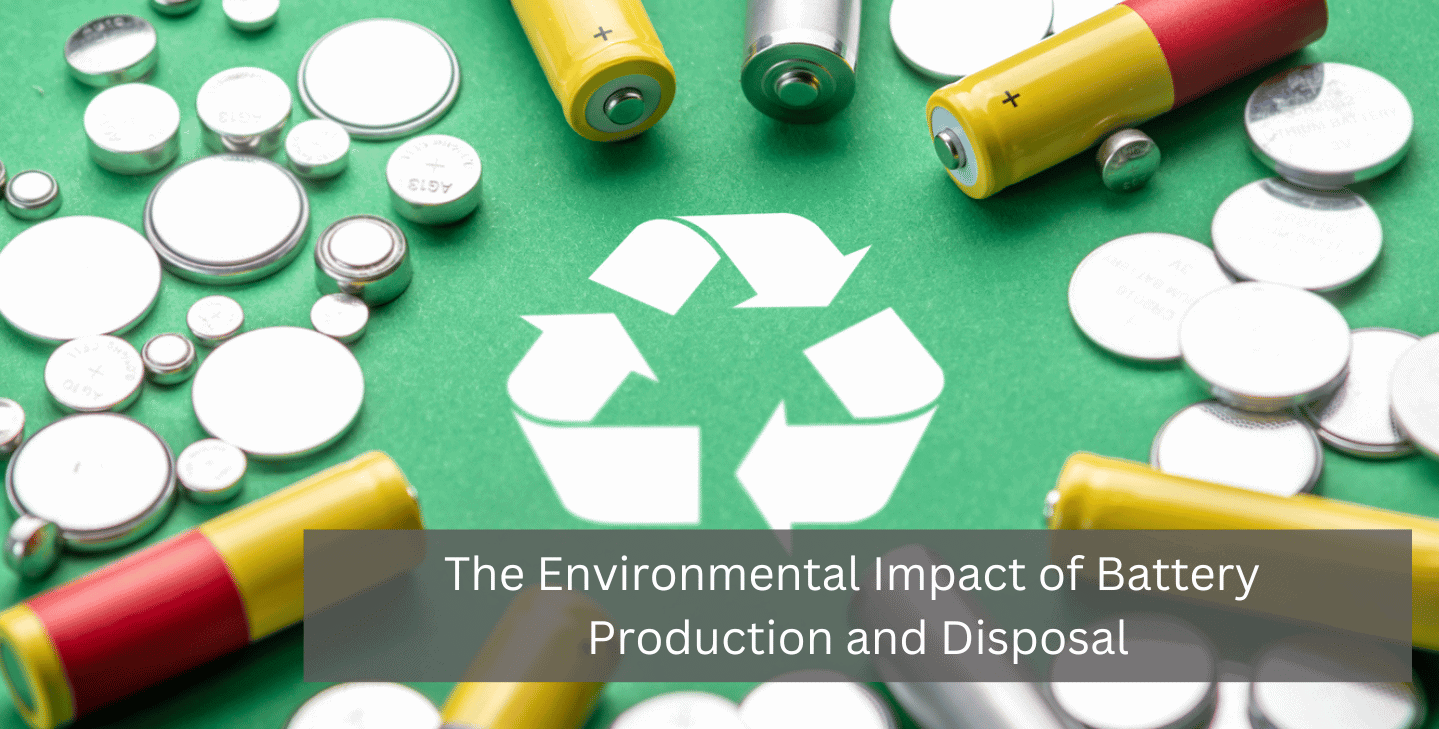
Consumers today rely on portable power more than ever—phones, laptops, toys, garden tools, home sensors, and even e-bikes all depend on rechargeable or disposable batteries. With this rising demand comes a lesser-known challenge: managing battery waste responsibly. While the environmental conversation often focuses on plastics and packaging, battery disposal is quietly becoming one of the most important—and overlooked—waste streams.
The Growing Demand for Lithium and Other Metals
Batteries are energy storage devices composed of metals and chemicals including lithium, cobalt, manganese, nickel, and lead. The extraction and refinement of these natural resources requires significant energy, water usage, and industrial processing. With global electrification surging, demand for these materials has reached unprecedented levels. Electric vehicles, renewable energy storage systems, and household electronics all contribute to this acceleration.
Industry analysts forecast that lithium demand for batteries alone may triple over the next decade. Meanwhile, cobalt mining remains geographically concentrated and frequently tied to ethical concerns. These pressures on resources have led governments and manufacturers to consider recycling as not just an environmental necessity, but also a strategic economic one.
Environmental Risks From Improper Disposal
Many consumers are uncertain about how batteries should be discarded. Their instinct is often to throw them into general waste—a move that can cause safety and environmental issues. Batteries may leak corrosive substances, contaminate soil, and pollute water sources if sent to landfills. In rare cases, lithium-ion units can ignite or explode when damaged or compacted during collection and sorting processes.
Municipalities and waste processors increasingly identify batteries as a contamination risk within household waste streams. Fires in recycling centers caused by lithium batteries have become widely reported, prompting new regulatory discussions and technological reforms around sorting and collection systems.
Recovering Valuable Materials Through Recycling
Effective battery recycling helps reclaim metals that would otherwise be extracted from mines. This reduces dependency on raw resources and lowers overall environmental impact. The circular approach—where materials are recovered, refined, and fed back into the manufacturing process—aligns with broader sustainability models now gaining momentum.
Large manufacturers in Europe, Asia, and North America are actively researching higher-yield recycling methods to reclaim lithium and cobalt using hydrometallurgical processing. By improving recovery rates, the battery industry can strengthen both sustainability and supply chain resilience.
The Consumer Challenge: Awareness and Access
Even though recycling programs exist, many consumers remain unaware that batteries require special handling. In some regions, designated deposit points are available at supermarkets, post offices, or electronic retailers, but participation is often low due to convenience barriers or simple lack of knowledge.
Policy makers increasingly recognize that awareness campaigns, consistent labeling, and clearer disposal guidance are essential in changing consumer behavior. Better harmonization across municipalities could dramatically increase recovery rates.
A Push for Better Habits
One simple behavior that can make a measurable difference is learning to Recycle More Batteries. As households adopt more battery-powered devices, increasing participation in collection programs will reduce landfill contamination and support resource recovery. Businesses can also contribute by providing take-back points and educating their customers on proper disposal routes.
Global Policy Momentum
Europe has taken a leading role in battery regulation. The EU Battery Regulation framework sets sustainability requirements on carbon footprint, recycled content, and end-of-life performance, aiming to establish a circular battery ecosystem. Similar discussions are unfolding in the United States, Canada, and parts of Asia, with policy frameworks emphasizing extended producer responsibility and recycling incentives.
Notably, electric vehicle manufacturers are already planning for “second life” applications—repurposing used batteries into stationary energy storage systems for homes and businesses before eventual recycling. These innovations indicate that circularity is becoming embedded into design thinking long before a product reaches the end of its life span.
Business Implications and Opportunities
Companies that prepare now will benefit later. Participating in recycling networks, offering collection programmes, or integrating sustainability messaging into customer communications can strengthen brand reputation and meet emerging regulatory expectations. Additionally, businesses that rely on metals and electronic components may eventually benefit from lower materials costs as recycling volumes grow.
For sustainability-focused organizations, battery recycling also provides a compelling and measurable ESG narrative—combining environmental stewardship with resource efficiency and consumer engagement.
Looking Ahead
Battery waste may lack the media attention given to plastic pollution, but its long-term implications are significant. The shift toward electrification means that portable power systems will play a larger role in society. As usage grows, so must accountability. Improving awareness, infrastructure, and industry participation will ensure that the convenience of modern battery-powered life does not come at unnecessary environmental cost.