
Over the past decade, the pull toward nature-infused living has expanded well beyond weekend escapes. Homeowners and developers alike have been rethinking what it means to live slowly, sustainably, and in harmony with the environment. Timber-focused dwellings have emerged as a compelling bridge between rustic comfort and modern architecture, fostering well-being without sacrificing practicality.
Embracing Natural Materials
Timber-based builds are uniquely positioned within this shift. They offer superior insulation, adaptability to various climates, and a pleasing tactile quality that many synthetic structures cannot replicate. Advances in construction have also made wooden living spaces more durable than ever. Treatments that prevent rot, pests, and structural degradation allow natural materials to last considerably longer with minimal upkeep.
Alongside functional improvements, the sensory benefits of wood have fueled this resurgence. Studies in environmental psychology suggest that exposure to natural textures and organic materials may reduce stress, boost cognitive performance, and promote emotional steadiness. For city dwellers in particular, such features help counterbalance the frenetic energy of urban environments.
A Brief Design Evolution
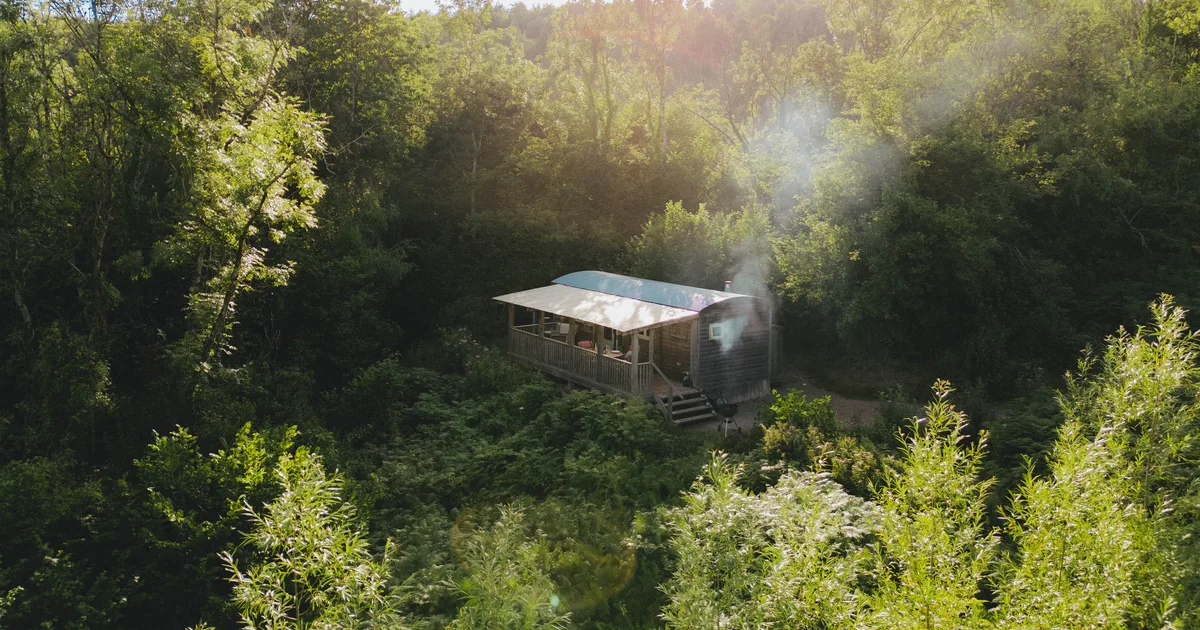
Traditional timber retreats once leaned heavily on rustic aesthetics—dimly lit interiors, narrow windows, and rugged forms suited for remote landscapes. Contemporary variations, however, have shifted dramatically. Architects are incorporating panoramic glazing, open-plan layouts, extended roof lines, and hybrid cladding that blends metal, glass, and treated timber. These innovations allow structures to remain visually warm while feeling spacious and connected to the outdoors.
Geographically, adoption is not limited to mountainous or forest regions. Coastal properties now frequently include timber-framed extensions, studios, and guest pods, demonstrating a widespread enthusiasm for calmer architectural expression.
Demand for Flexible Spaces
Changing work patterns—especially the rise of hybrid and remote employment—have increased the appeal of nature-based spaces. Home offices, studios, and workshop annexes are now being designed with the explicit goal of improving productivity and personal satisfaction. The presence of timber and natural light contributes to a healthier working environment compared to makeshift corners of existing homes.
Developers are also experimenting with modular formats that can be expanded over time. Smaller structures may begin as meditation rooms or craft spaces and later evolve into auxiliary accommodation or holiday rentals. This flexibility aligns perfectly with homeowners searching for long-term value without committing to full property reconstruction.
Cultural Shifts Toward Escape & Reset
Beyond architectural trends, there is a cultural reorientation toward intentional living. Wellness tourism, forest bathing retreats, and seasonal self-catering breaks have surged as consumers seek balance and reprieve. This demand has had a direct impact on hospitality design, encouraging boutique operators to invest in smaller, secluded structures rather than conventional hotel blocks. These settings perform well not only because of their ambiance but because they allow guests to feel privacy and independence.
Single-Keyword Integration Paragraph (keyword mentioned once)
As travellers and homeowners alike explore alternatives to traditional housing, the growing popularity of log cabins highlights how deeply people value tactile, sensory environments—spaces that feel personal rather than generic, grounded rather than artificial.
Sustainability and the Future
Timber-based living solutions are also aligned with wider sustainability objectives. Wood is a renewable resource, and regenerative forestry practices have made it possible to build while maintaining ecological balance. European and Scandinavian building codes encourage the use of modular timber construction to reduce embedded carbon and streamline future recycling or deconstruction efforts.
While no material is impact-free, the long-term carbon storage capacity of wood gives it an important role in climate-conscious development. Pairing timber structures with modern insulation, solar integration, and low-impact landscaping can create highly efficient dwellings that require minimal energy input across their lifespan.
What Comes Next
Looking ahead, innovation is likely to continue bridging rustic and modern traditions. Hybrid forms may include cross-laminated timber (CLT) frames, metal roof systems, and sliding glass walls—combining durability with biophilic benefits. As planning authorities respond to sustainability targets and lifestyle habits evolve, timber-focused builds will likely become more mainstream, not merely niche alternatives for rural enthusiasts.
Ultimately, the rise of naturistic living reflects a broader societal recalibration. People are not just choosing new materials—they are choosing a new rhythm of life. Timber retreats represent warmth, reflection, creativity, and self-sufficiency, standing as a counterbalance to hyperconnected digital culture. Whether adopted for full-time residence, holiday accommodation, or workspace enhancement, they offer a sense of grounding that resonates across generations.